Services - LPG reticulation, gas supply, accessories, fireplaces and services

Gas systems engineered for confidence.

Infrastructure, Installations and dependable aftercare - coordinated around the needs of each property.

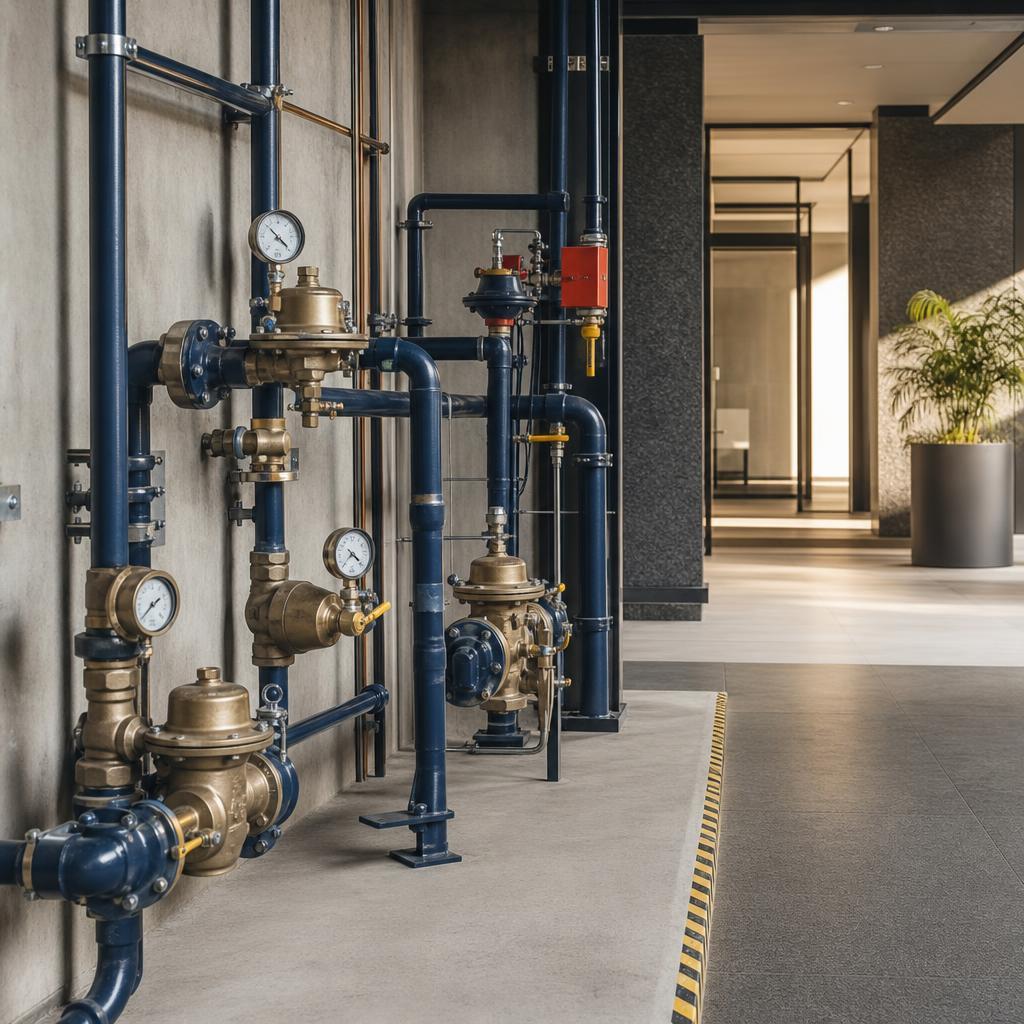
Organised LPG regulators, gauges, safety controls, and navy pipework in a modern building

What we do

Six services. One coordinated standard.

Start with the service that fits your needs. We shape every engagement around your property, how you use it, and the people responsible for keeping it running.

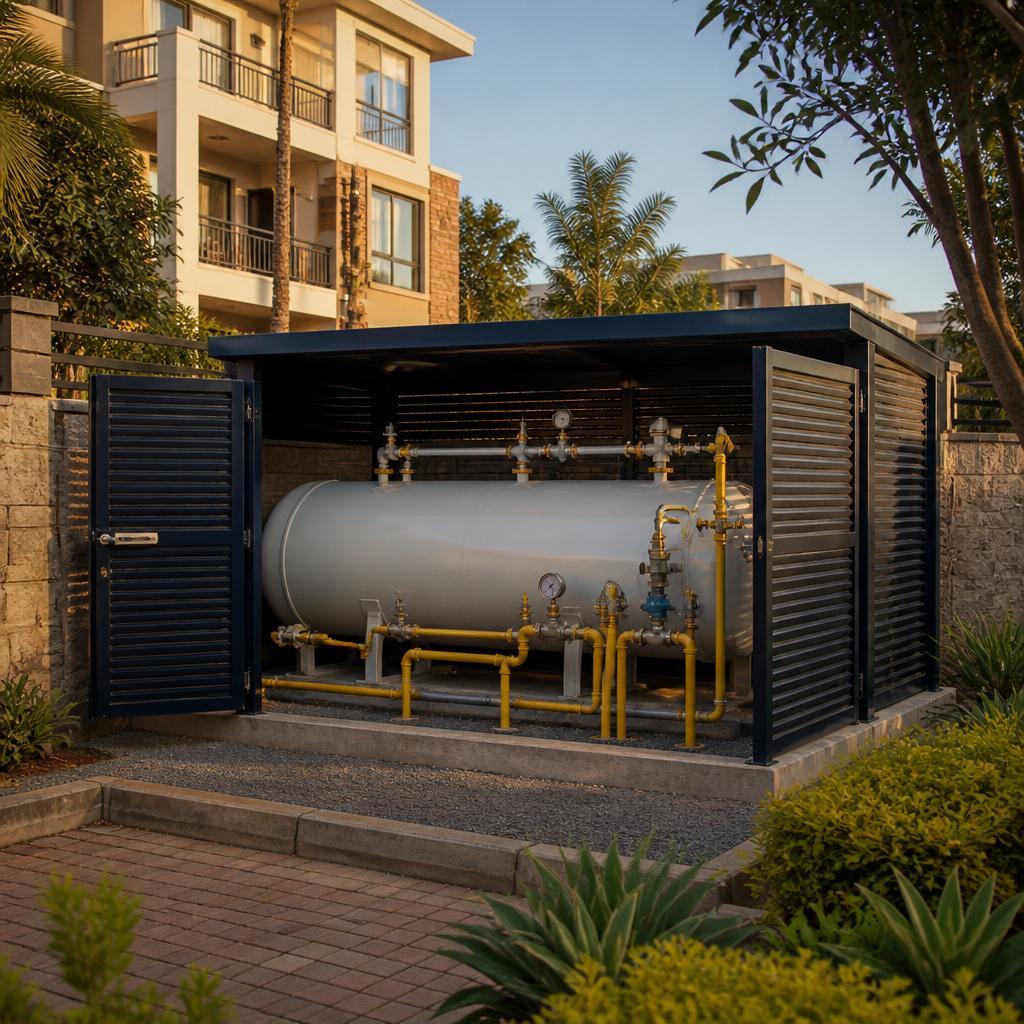
Central LPG storage tank with organised pipework and safety controls at a residential development

LPG Reticulation Systems

Full design, supply, and installation of centralised piped gas distribution - from bulk tanks and regulators to safety valves and pipework infrastructure.

What you gain

Developers get a pressure-tested, fully documented system handed over with complete compliance records.

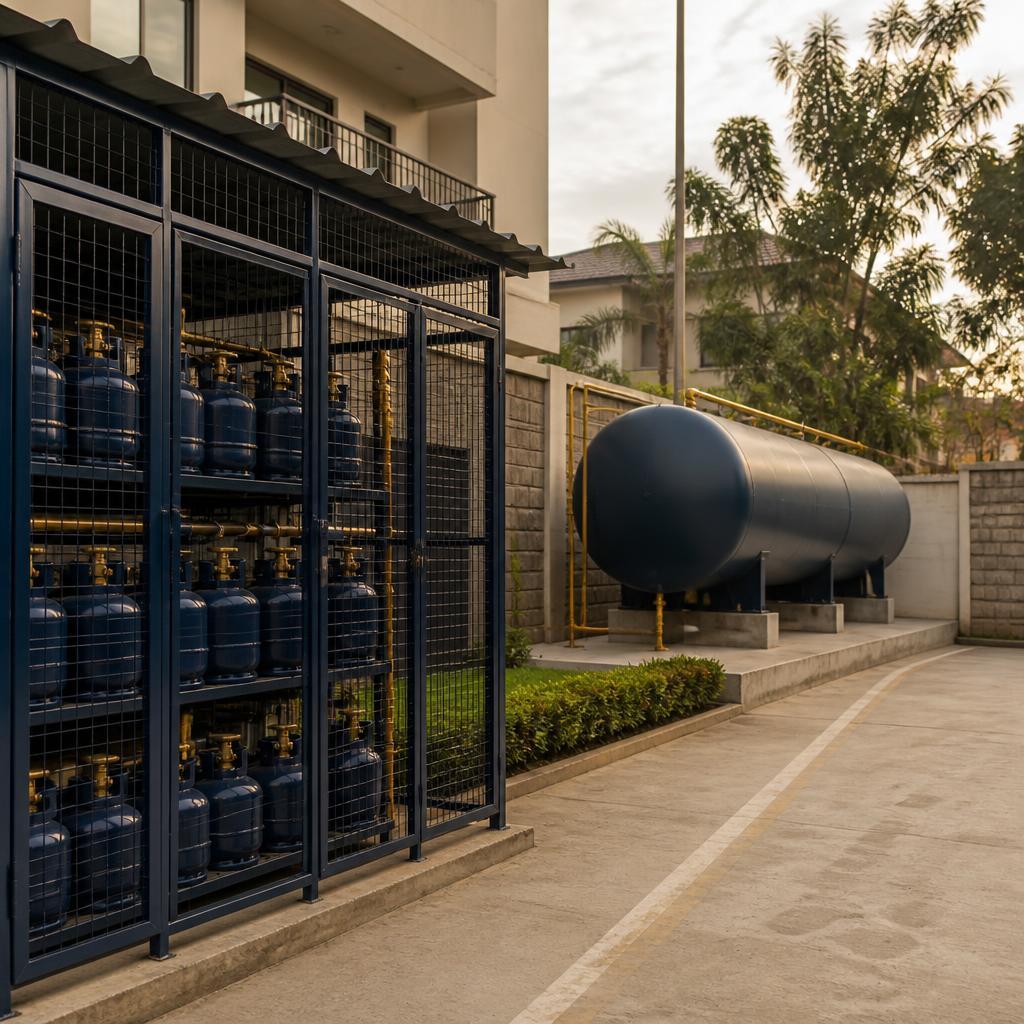
Secure LPG cylinder bank and bulk storage tank serving a residential property

LPG Gas Supply

LPG gas supply for residential developments, hospitality spaces, commercial kitchens, and other building requirements, coordinated with the site’s storage and gas system.

What you gain

You get a dependable LPG supply arrangement aligned with the way your property uses and stores gas.

Linear gas fireplace integrated into a refined contemporary living room

Fireplace Installation

Supply and installation of indoor and outdoor wood-burning, gas, and electric fireplaces - including built-in log-effect units, wall-mounted linear units, and media-wall integration.

What you gain

Residential and high-end development clients get a fireplace specified correctly and installed to last.

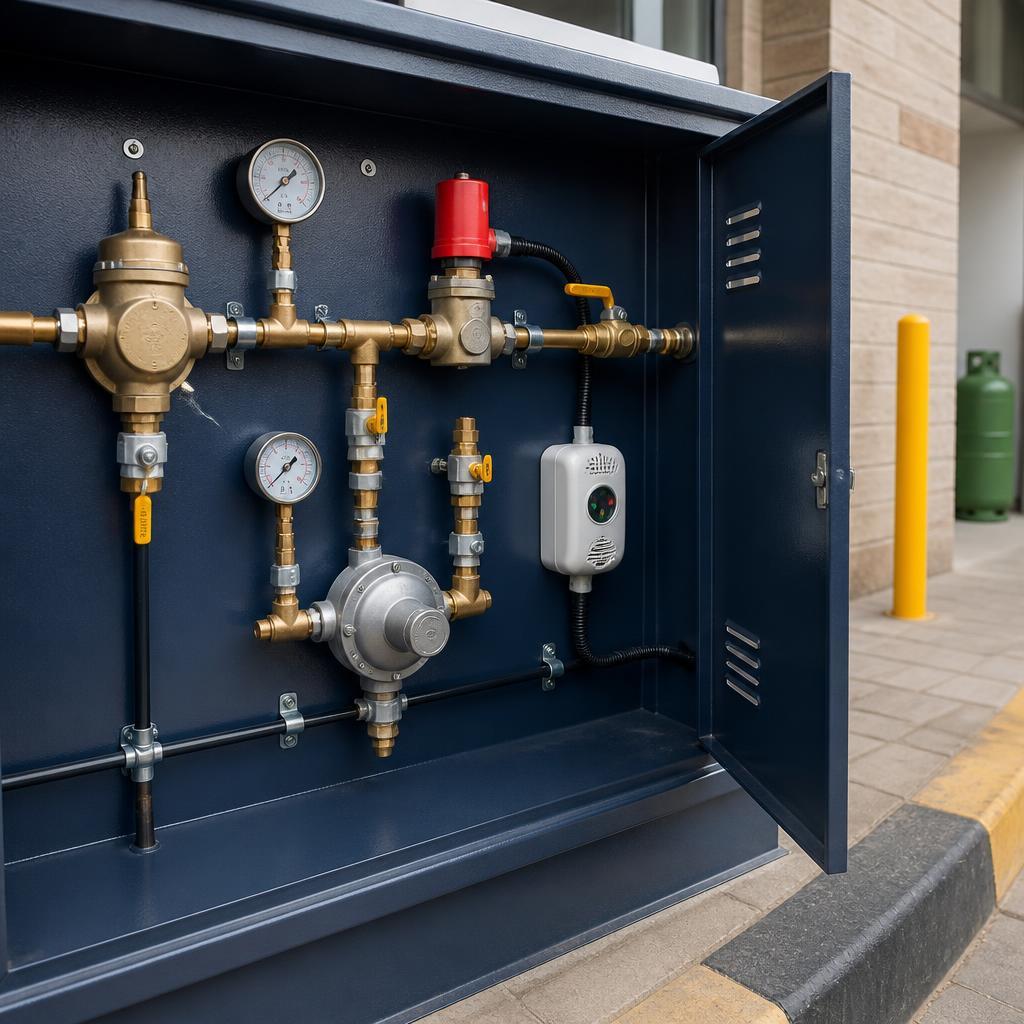
LPG regulators, gauges, solenoid valve, detector, and isolation controls in a protective cabinet

LPG Safety Equipment & Accessories

Supply and installation of solenoid valves, leak detectors, vaporizers, manifolds, sirens, and regulators for new and existing gas systems.

What you gain

Buildings are equipped with the safety infrastructure required for full compliance - with every component documented.

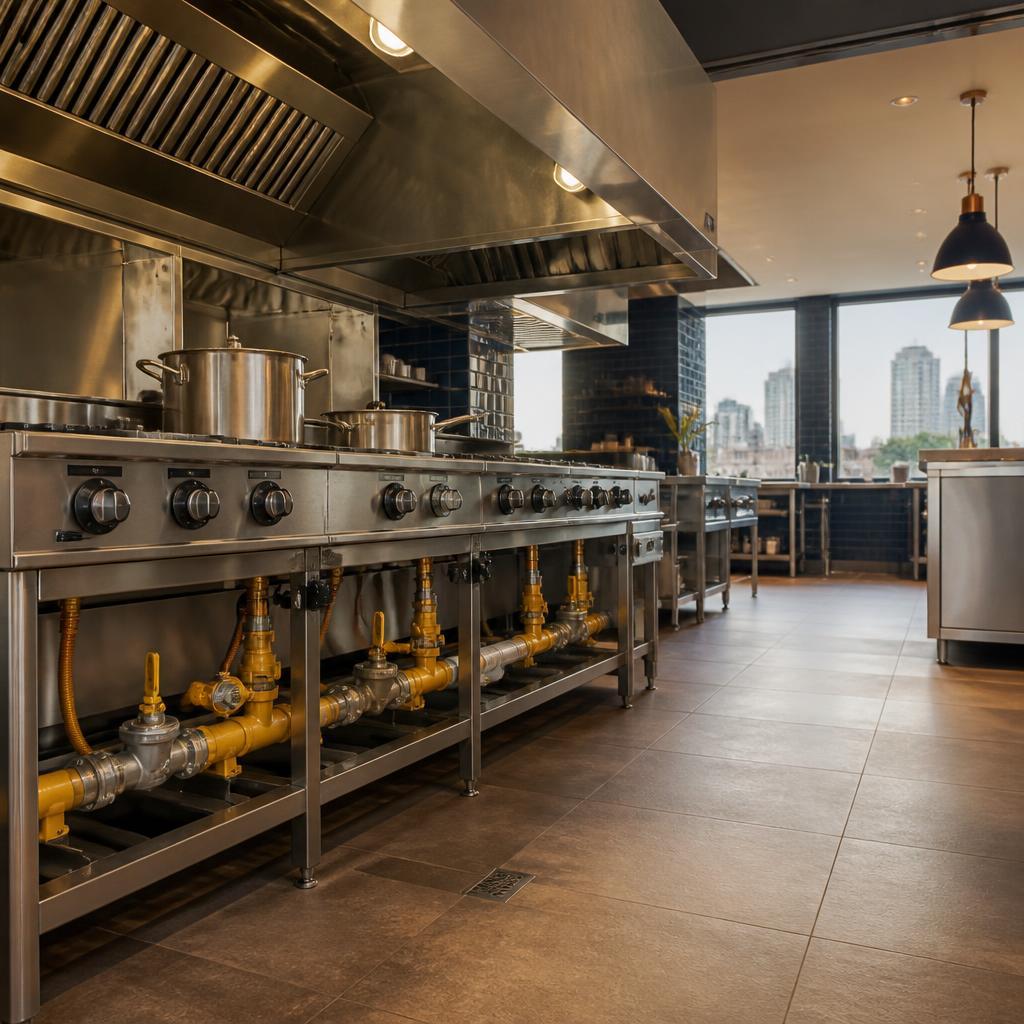
Coordinated gas piping and isolation valves beneath commercial kitchen equipment

Kitchen and Laboratory Gas Piping

Dedicated gas line installation for residential kitchens, commercial kitchens, and laboratory environments - including island integration and leak detection.

What you gain

Clean, safe, compliant gas infrastructure for kitchens and labs with no loose ends.

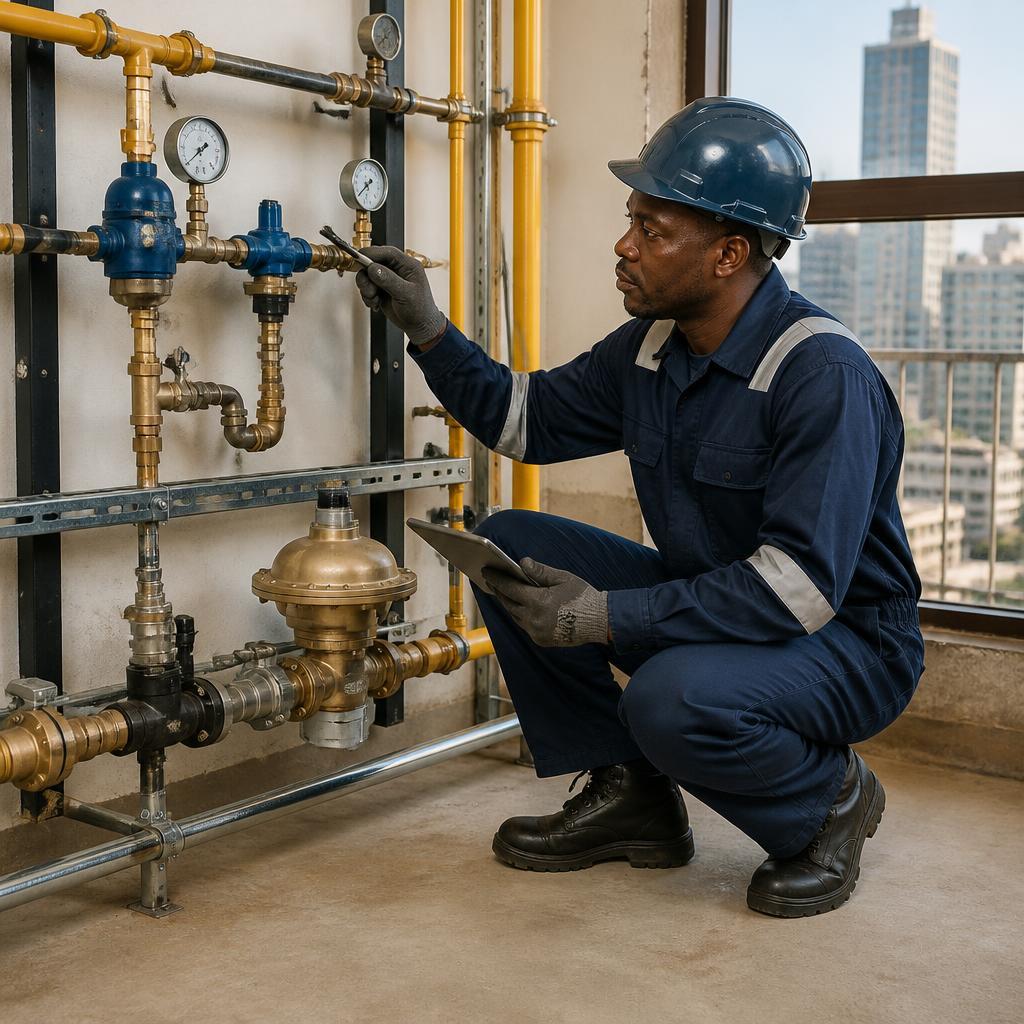
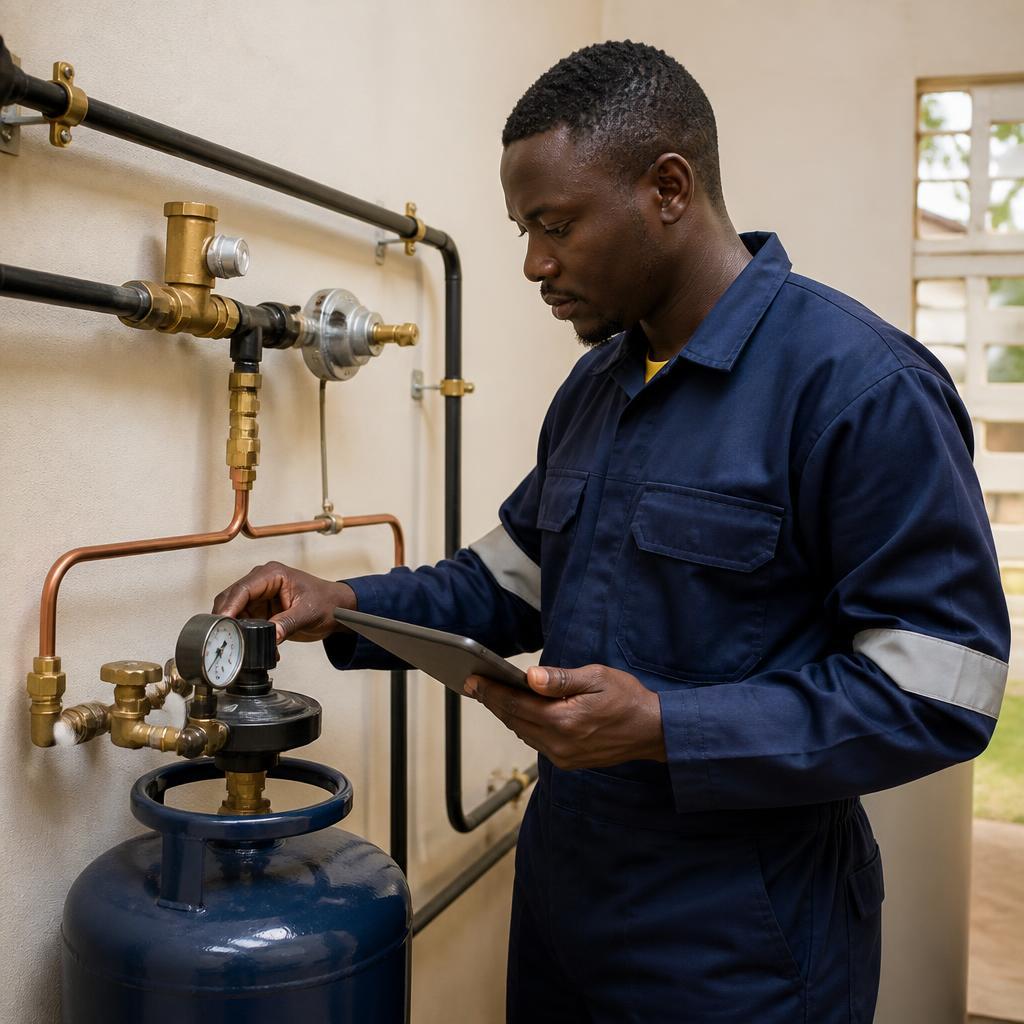
Gas systems technician inspecting regulators, gauges, and installed pipework

Maintenance and Service Agreements

Ongoing inspection, servicing, and accountability arrangements for buildings with installed gas systems - so facilities managers always have someone to call.

What you gain

Long-term compliance assurance and a single point of contact for any gas system issue.

Who we work with

Built around your role in the property.

The same gas system creates different responsibilities for an owner, operator, consultant, or facilities team. Our deliverables reflect the decisions you need to make.

Client profileYour priorityWhat you get
01

Developers, project managers, architects, engineers, and consultants

We work alongside developers, project managers, architects, and consultants to coordinate gas infrastructure with the wider build - from early technical input and pipe routing through installation, testing, documentation, and handover.

You get early technical input, coordinated pipe routes and equipment locations, clear scope boundaries, documented testing records, and a usable handover package that supports the wider project.

02

Residential developers and homeowners

For new developments, renovations, and individual homes, we coordinate reticulation, kitchen gas piping, safety equipment, and fireplace installation around the way the property will be used.

You get LPG supply coordination, storage and reticulation planning, kitchen gas piping, safety controls, fireplace installation, and a documented handover shaped around daily use.

03

Hotels, restaurants, and hospitality teams

Commercial kitchens and hospitality spaces need dependable gas infrastructure that is practical to operate. We support the system from pipework and safety controls through to installation and documentation.

You get dependable LPG supply planning, commercial kitchen piping, practical safety controls, clear operating guidance, and ongoing support designed around a busy hospitality environment.

04

Educational, laboratory, and other institutions

We work with institutions that need dedicated kitchen or laboratory gas piping, coordinated safety equipment, and a clear record of what has been installed and tested.

You get dedicated kitchen or laboratory gas lines, coordinated isolation and safety equipment, documented testing, and a system your operations team can manage confidently.

05

Property and facilities teams

For teams responsible for ongoing system performance, maintenance and service agreements provide a planned route for inspections, servicing, documentation, and support after handover.

You get planned inspections, accountable servicing, current system records, and one reliable point of contact when the property needs technical support.

How we deliver

A clear route to compliance.

We treat every gas installation as an engineered building system. Our process ensures nothing is left to chance.

01-05 / COMPLETE DELIVERY PATH

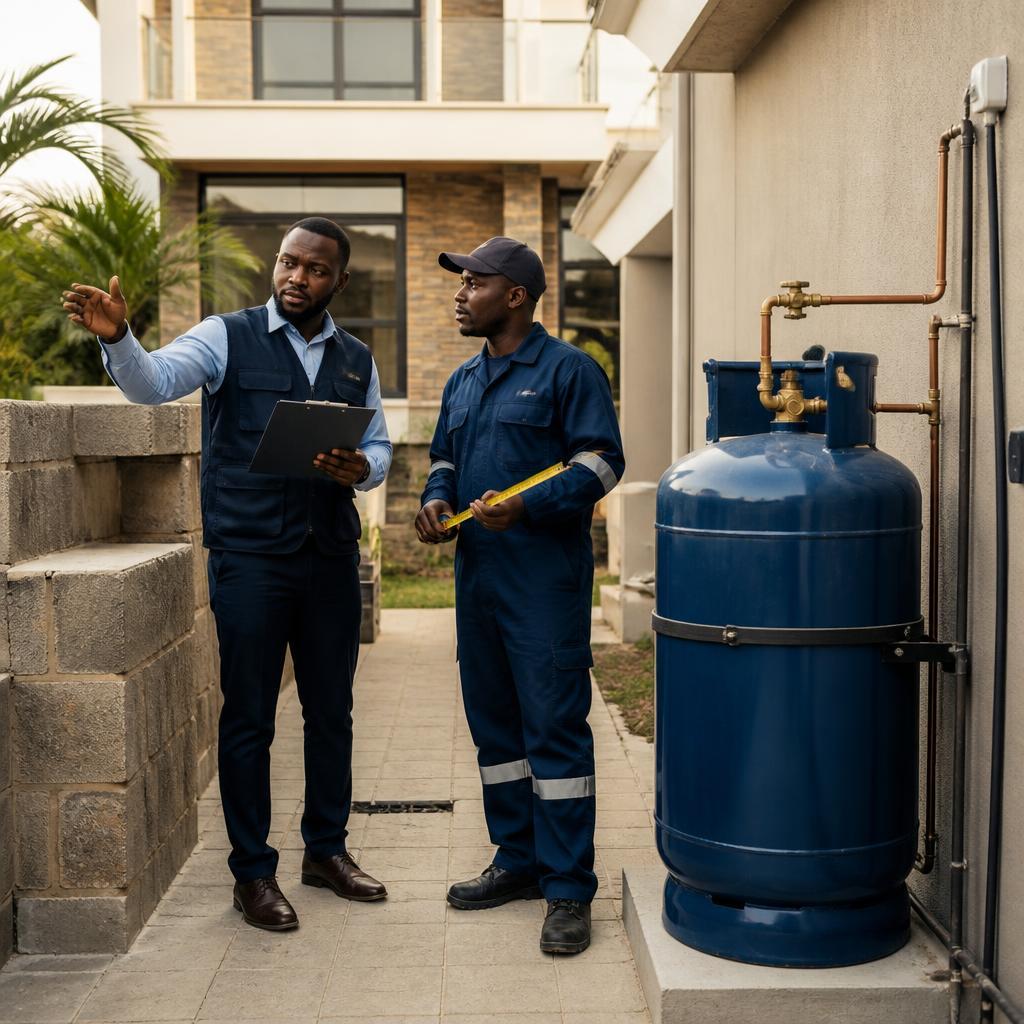
Project professional and technician assessing an LPG installation area at a residential property

Scope

Assessment

We review your scope, site conditions, access, and expected demand to establish what the project requires.

Architect and gas engineer coordinating pipe routes over technical drawings

System

Design and coordination

We design the system, specify the equipment, and coordinate pipe routes with the wider project team.

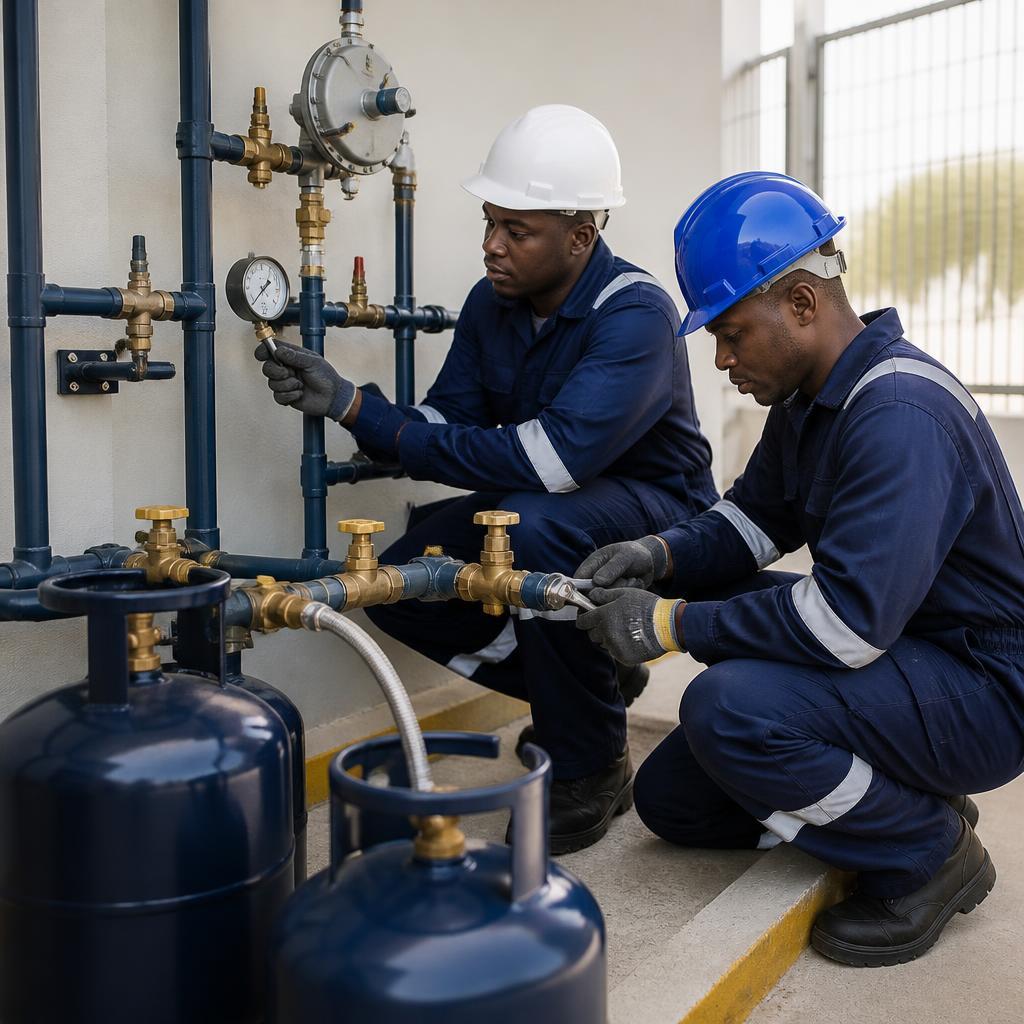
Gas technicians installing pipework and checking a pressure-test gauge

Installation

Installation and testing

Our technicians install to the agreed specification and pressure-test the lines and safety components.

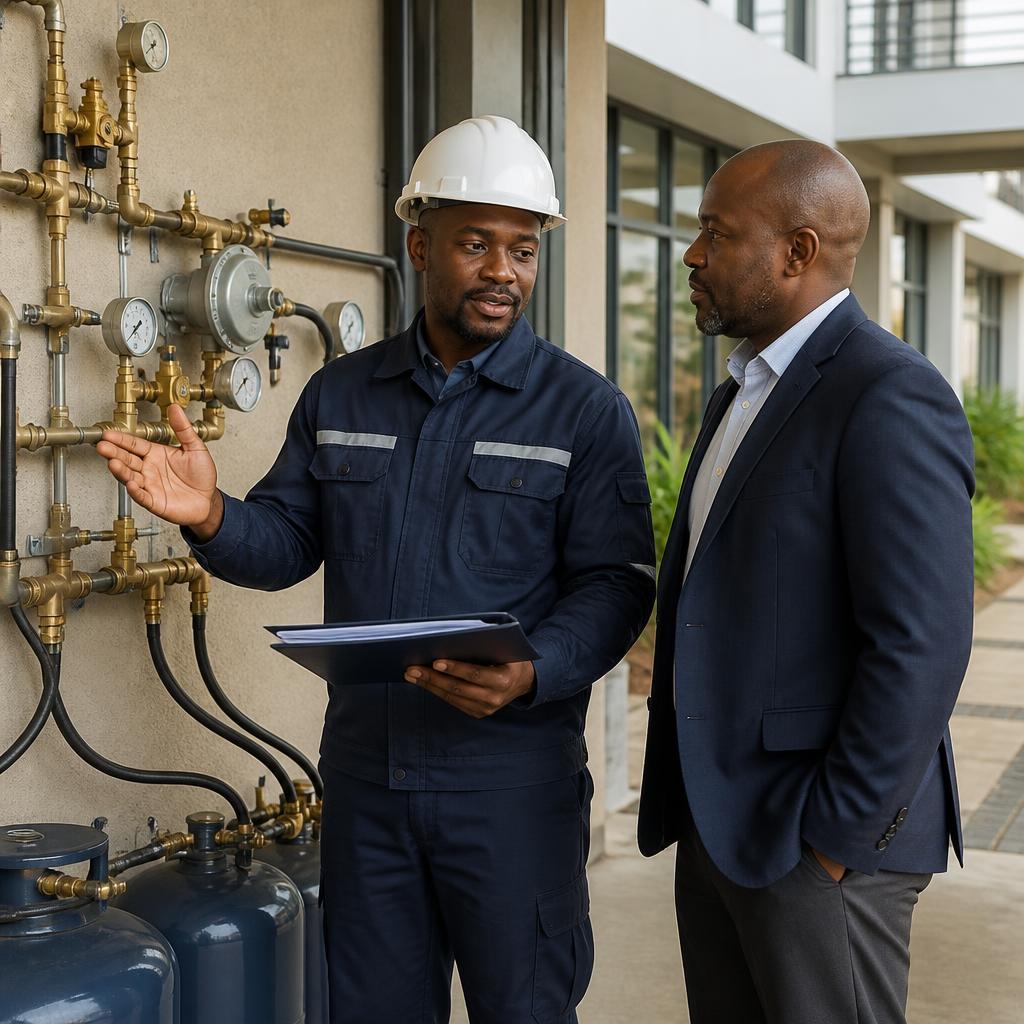
Gas engineer explaining an installed system to a property representative during handover

Handover

Documentation and handover

You receive testing records, system documentation, and practical guidance for operating the installation.

Maintenance technician carrying out a planned inspection of an LPG system

Support

Aftercare

We remain available through maintenance, service arrangements, and dependable post-handover support.

Start with the right conversation

Ready to begin your project?

Schedule a conversation with our team to talk through your property, gas requirements, and the most practical next step.

Before you begin

Questions clients ask before work starts.

If you are evaluating an installation, upgrade, or maintenance arrangement, these practical answers are a useful place to start.

Understanding LPG systems

What is gas reticulation?

Gas reticulation is a coordinated system that distributes gas from a central storage arrangement to multiple appliances or points of use through fixed pipework. In an LPG installation, it typically includes a bulk tank or cylinder arrangement, regulators, isolation valves, safety equipment, and pipework serving kitchens, fireplaces, or other appliances. The system is designed, tested, documented, and handed over for the specific property; it is not simply a matter of connecting a tank to a building.

What is LPG, and how does an LPG reticulation system work?

LPG, or Liquefied Petroleum Gas, is stored as a liquid under pressure and becomes a gas when released for use. An LPG reticulation system brings that supply into one coordinated building system: a bulk tank, regulators, isolation and safety equipment, and a network of permanently installed pipes deliver gas to the required appliances. The system is sized for the building, pressure-tested, documented, and handed over with operating guidance.

What is the difference between bulk LPG supply and cylinder supply?

Bulk supply stores LPG in a larger, fixed tank and replenishes it through planned deliveries. Cylinder supply uses individual portable cylinders that are changed or refilled for each home or point of use. A centralised bulk system can reduce repeated cylinder handling and keep storage, pipework, regulators, and isolation points under one coordinated design. The right option depends on demand, available space, access for delivery, and the needs of the project; both options require correct installation, storage, and servicing.

What are the benefits of LPG reticulation for a development?

A well-designed reticulated system gives a development one coordinated gas infrastructure solution instead of a collection of disconnected cylinder arrangements. It can keep cylinders out of living spaces and service areas, make isolation points easier to identify, and give facilities teams a clearer route for inspection, maintenance, and accountability. Developers can also coordinate the tank location, ventilation, pipe routes, appliances, and safety controls from the start. These benefits depend on correct design, installation, testing, and ongoing care.

Supply and storage

How do I know when a bulk LPG tank needs refilling?

A bulk tank has a level gauge that gives the facilities or maintenance team a clear indication of the remaining supply. The gauge should be checked as part of an agreed monitoring and replenishment routine rather than waiting until the tank is empty. Your supply or maintenance arrangement should define who checks the level, who orders the delivery, and how access is coordinated. Tank readings are an operational guide, so any unusual change in level or supply should be investigated by a competent gas professional.

How should LPG tanks and cylinders be stored?

LPG tanks and cylinders should be kept in an appropriate, well-ventilated outdoor location on a stable base, protected from damage and unauthorised interference. Cylinders should remain upright and both tanks and cylinders must be kept away from flames, ignition sources, excessive heat, drains, and low-lying or enclosed spaces where gas could collect. Do not store cylinders inside living areas. Final locations, clearances, access, and protection must follow the equipment instructions and the requirements that apply to the project.

Care and performance

How often should an LPG system be serviced?

There is no single interval that suits every LPG system. Servicing should follow the equipment manufacturer’s instructions, the system’s commissioning and handover requirements, how heavily it is used, and the requirements that apply to the installation. Planned inspections should cover the tank or cylinders, regulators, valves, pipework, appliances, ventilation, and leak-detection equipment where fitted. Arrange an inspection after any alteration, damage, unusual smell, or suspected fault, and use a competent gas contractor for testing and repairs.

Is LPG environmentally better than other fuels?

LPG can produce fewer local particulates and sulfur emissions than some solid or heavier fuels when it is correctly stored and combusted, which can support cleaner air at the point of use. It is still a fossil fuel and is not a zero-carbon solution. Its overall environmental impact depends on the source, transport, system efficiency, leakage control, and what fuel it replaces. We recommend treating environmental performance as part of the design conversation, not as a blanket claim that LPG is better in every situation.

Safety and emergencies

What should I do if I smell gas or suspect a leak?

If it is safe to do so, shut off the nearest isolation valve or the cylinder or tank supply. Do not operate electrical switches, start vehicles, use a flame, smoke, or use anything that could create a spark in the affected area. Open doors and windows for ventilation only if you can do so without creating a risk, then evacuate everyone to fresh air and keep people away. Do not re-enter to look for the leak. For immediate danger, contact local emergency services; once you are safe, contact Continental Experts on +254 721 321 214 or +254 777 321 220 for system support.

What should I do in a gas emergency?

Treat a fire, major leak, explosion risk, or anyone feeling unwell as an emergency. Warn others only if you can do so without entering the danger area, evacuate to a safe distance, and avoid flames, electrical switches, phones, and vehicles near the suspected leak. Call local emergency services when there is an immediate risk to people or property, and do not return until the area has been declared safe. After evacuation, contact Continental Experts on +254 721 321 214 or +254 777 321 220 so the system can be assessed and the next steps coordinated.