Service

Maintenance and Service Agreements

Planned inspection, servicing, documentation, and accountable support arrangements for properties with installed gas systems.

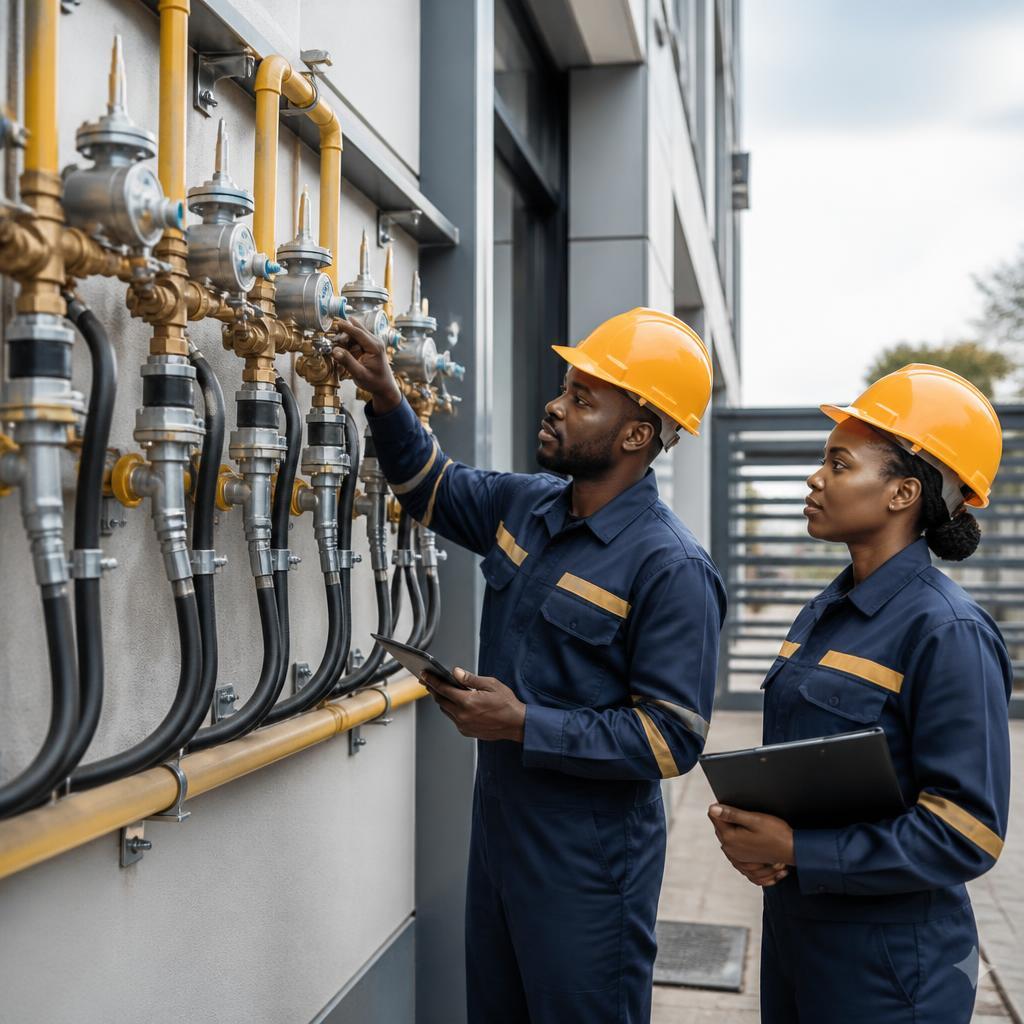
African gas-systems technicians in safety wear checking pressure equipment on installed gas pipework

Service overview

Ongoing care with clear responsibility.

Gas systems continue to need attention after handover. Equipment condition, operating patterns, alterations, documentation, and the people responsible can all change over time. A maintenance or service arrangement creates a clearer route for planned care and technical support.

Long-term compliance assurance and a single point of contact for any gas system issue.

African gas-systems technicians in safety wear checking pressure equipment on installed gas pipework

Why planned care matters

Small signs are easier to address when they are recorded early.

Deferred maintenance does not mean every system will develop the same problem. It can, however, make wear, changes in performance, or developing faults harder to spot before they affect the wider installation.

Gas leaks

Worn seals, connections, valves, or regulators can contribute to leaks in some installations. Planned inspections and appropriate leak testing help identify concerns early, while records give the responsible team a clear basis for follow-up.

Reduced efficiency

Changes in burner condition, pressure, or appliance performance may affect how a system operates and uses fuel. Servicing and testing can help identify those changes without promising a fixed saving or outcome.

Appliance wear

Contamination, incorrect pressure, or worn controls can affect connected appliances over time. Condition checks, agreed servicing, and documented advice help teams decide when repair, adjustment, or further assessment is appropriate.

Discuss the condition of the installed system, its records, and the people responsible for ongoing care.

Discuss maintenance support

Scope at a glance

What an ongoing support arrangement can cover.

The exact scope and frequency should reflect the equipment, use, manufacturer guidance, handover requirements, and condition of the installation.

01

Planned inspections

Review of visible system condition, storage, regulators, valves, pipework, controls, and accessible safety equipment.

02

Servicing and testing

Agreed servicing or testing activities carried out in relation to the installed equipment and identified concerns.

03

System records

A clearer history of inspections, observations, work completed, and items requiring attention or further assessment.

04

Technical coordination

An established point of contact for questions, planned changes, reported faults, and the next appropriate action.

Delivery approach

A repeatable route for system care.

The arrangement is shaped around the installation rather than applying one fixed interval or checklist to every property.

01-04 / SERVICE PATH

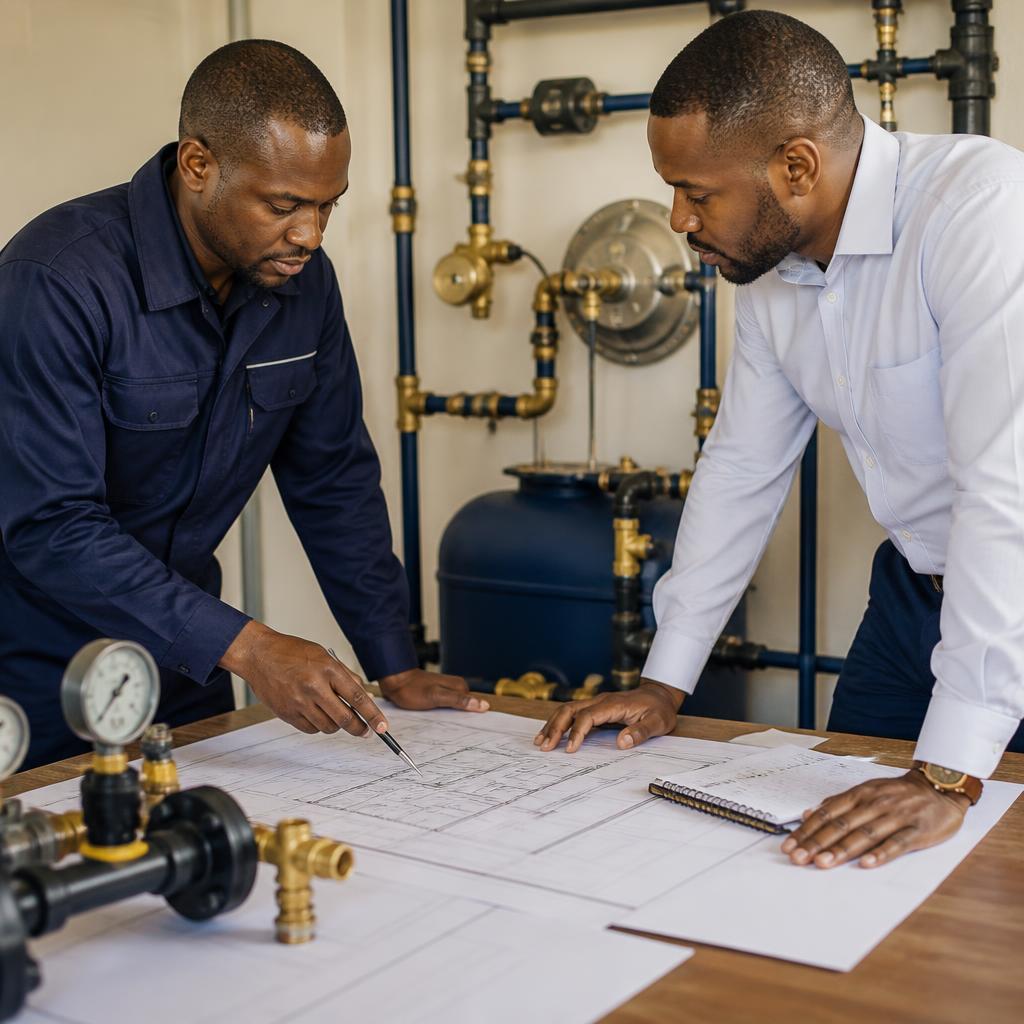
Gas engineer and facilities manager reviewing an installed LPG system and its records

Review

Understand the system

We review available records, installed equipment, usage, known concerns, and the people responsible for the property.

Service engineer and property representative defining a planned gas maintenance support scope

Plan

Define the support scope

Inspection, servicing, documentation, and communication responsibilities are clarified for the arrangement.

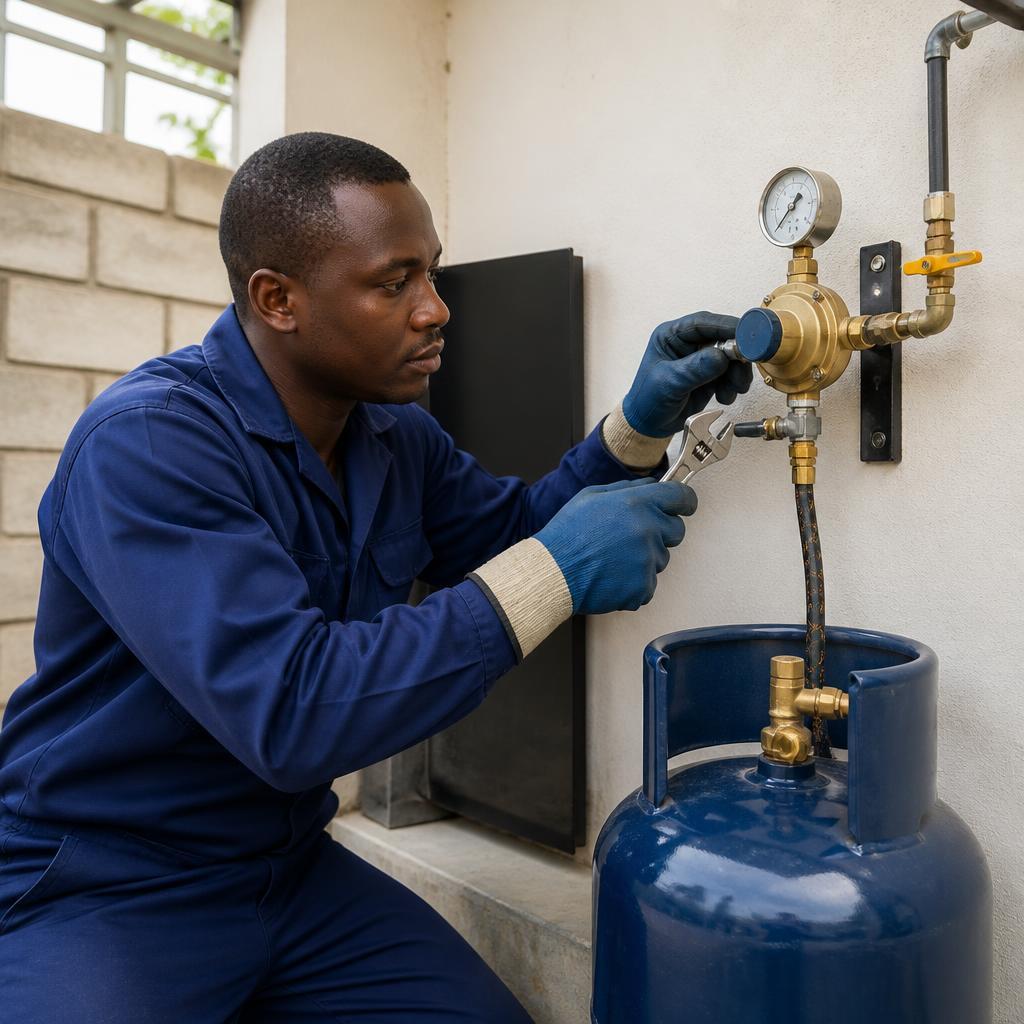
Technician servicing a regulator, isolation valve, and pressure gauge on an LPG system

Maintain

Carry out agreed care

Planned activities are completed in relation to the installation, its condition, and the agreed requirements.

Gas engineer documenting maintenance observations and advising a property facilities team

Record

Document and advise

Observations and completed work are recorded, with next actions identified where further attention is needed.

Where it fits

Relevant to the teams responsible.

The scope changes with the property, operating environment, and decisions each client needs to make.

01

Residential developers and homeowners

You get LPG supply coordination, storage and reticulation planning, kitchen gas piping, safety controls, fireplace installation, and a documented handover shaped around daily use.

02

Hotels, restaurants, and hospitality teams

You get dependable LPG supply planning, commercial kitchen piping, practical safety controls, clear operating guidance, and ongoing support designed around a busy hospitality environment.

03

Educational, laboratory, and other institutions

You get dedicated kitchen or laboratory gas lines, coordinated isolation and safety equipment, documented testing, and a system your operations team can manage confidently.

04

Property and facilities teams

You get planned inspections, accountable servicing, current system records, and one reliable point of contact when the property needs technical support.

Usually considered

What shapes a maintenance plan.

A useful arrangement reflects the actual system, its operating environment, and the records already available.

  1. 01

    System age, condition, and alterations

  2. 02

    Equipment manufacturer guidance

  3. 03

    Usage levels and operating environment

  4. 04

    Previous service and handover records

  5. 05

    Internal reporting and access arrangements

  6. 06

    Known faults or recurring concerns

Connected services

Gas supply, infrastructure, safety equipment, specialist piping, and aftercare work best when their interfaces are considered early.

Discuss your requirement

Need a clearer maintenance arrangement?

Tell us about the property, installed system, available records, and the support your facilities or operations team needs.