Detection and alarms
Gas leak detectors and audible alerts coordinated with likely leak locations, occupancy, and emergency procedures.

Service
LPG Safety Equipment & Accessories
LPG safety equipment and accessories selected and coordinated for new and existing systems, including regulators, solenoid valves, leak detectors, vaporizers, manifolds, sirens, and gauges.

Service overview
A safety device is effective only when it suits the installation, is positioned correctly, and is understood by the people responsible for the property. We review the wider gas arrangement before defining the equipment, accessories, interfaces, and documentation required for the scope.
Buildings are equipped with the safety infrastructure required for full compliance - with every component documented.
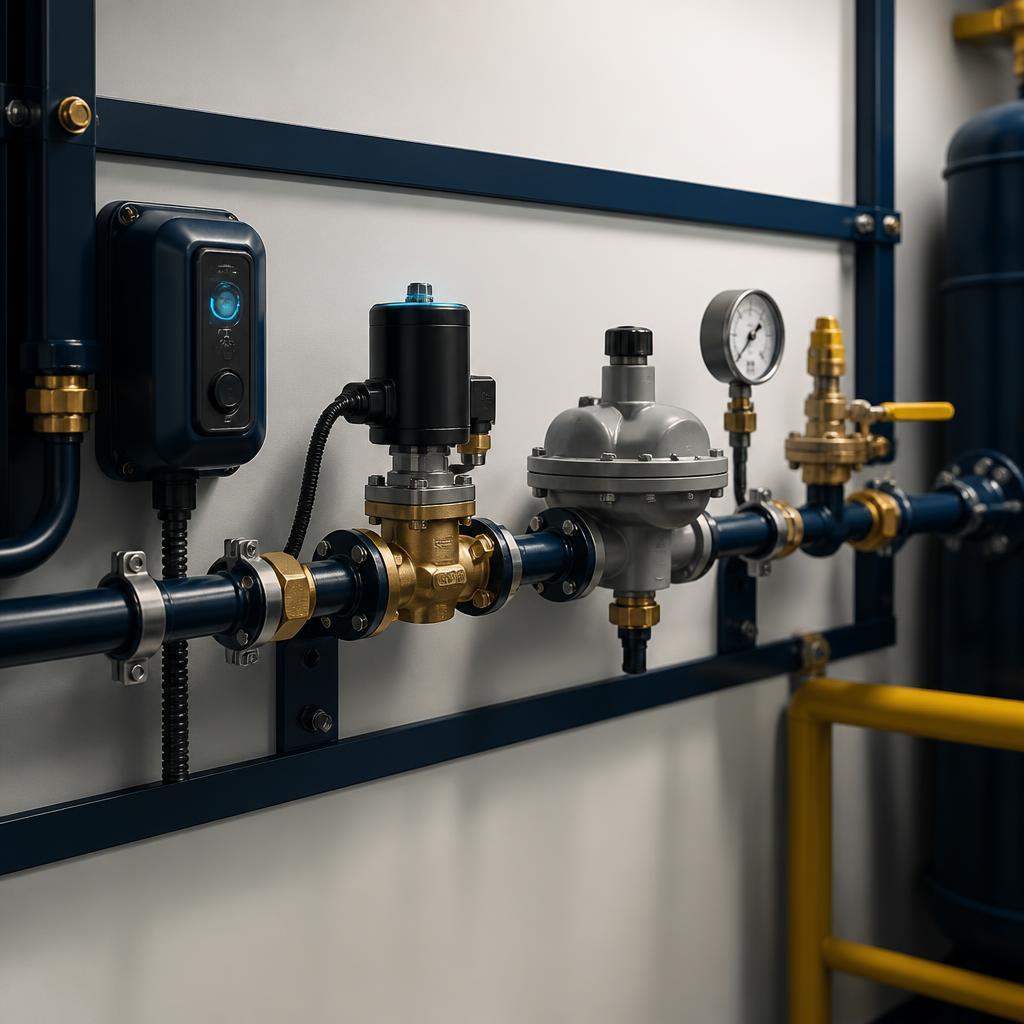
Scope at a glance
The final selection depends on the system, intended use, connected appliances, and the requirements that apply to the property.
Gas leak detectors and audible alerts coordinated with likely leak locations, occupancy, and emergency procedures.
Manual isolation points and solenoid valves considered alongside detectors, controls, and access for responsible teams.
Regulators, gauges, manifolds, and related accessories selected around the gas source and downstream system needs.
Vaporizers and other components assessed where the system arrangement and operating demand make them relevant.
Components
A curated selection of images related to this service.
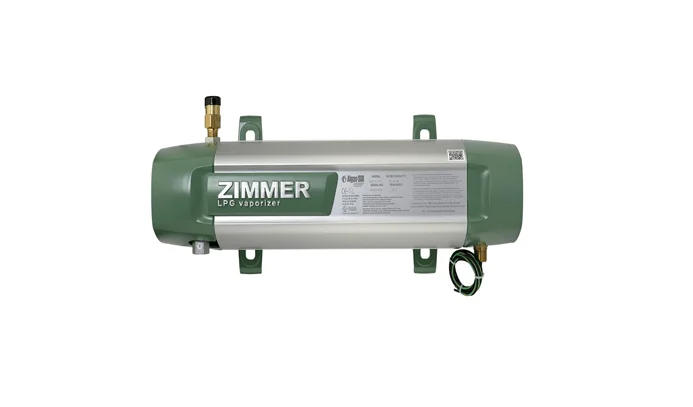
Converts liquid LPG into vapour at a controlled rate for downstream equipment.
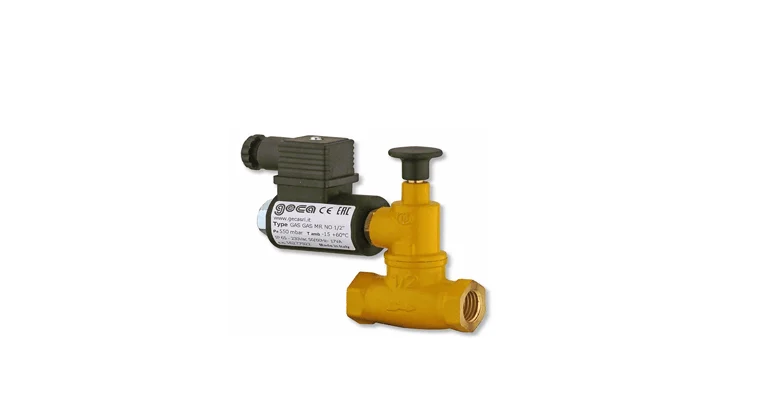
Automatically shuts off the gas supply when connected safety controls detect a hazard.

Provides an audible warning so occupants can respond quickly to a detected gas hazard.
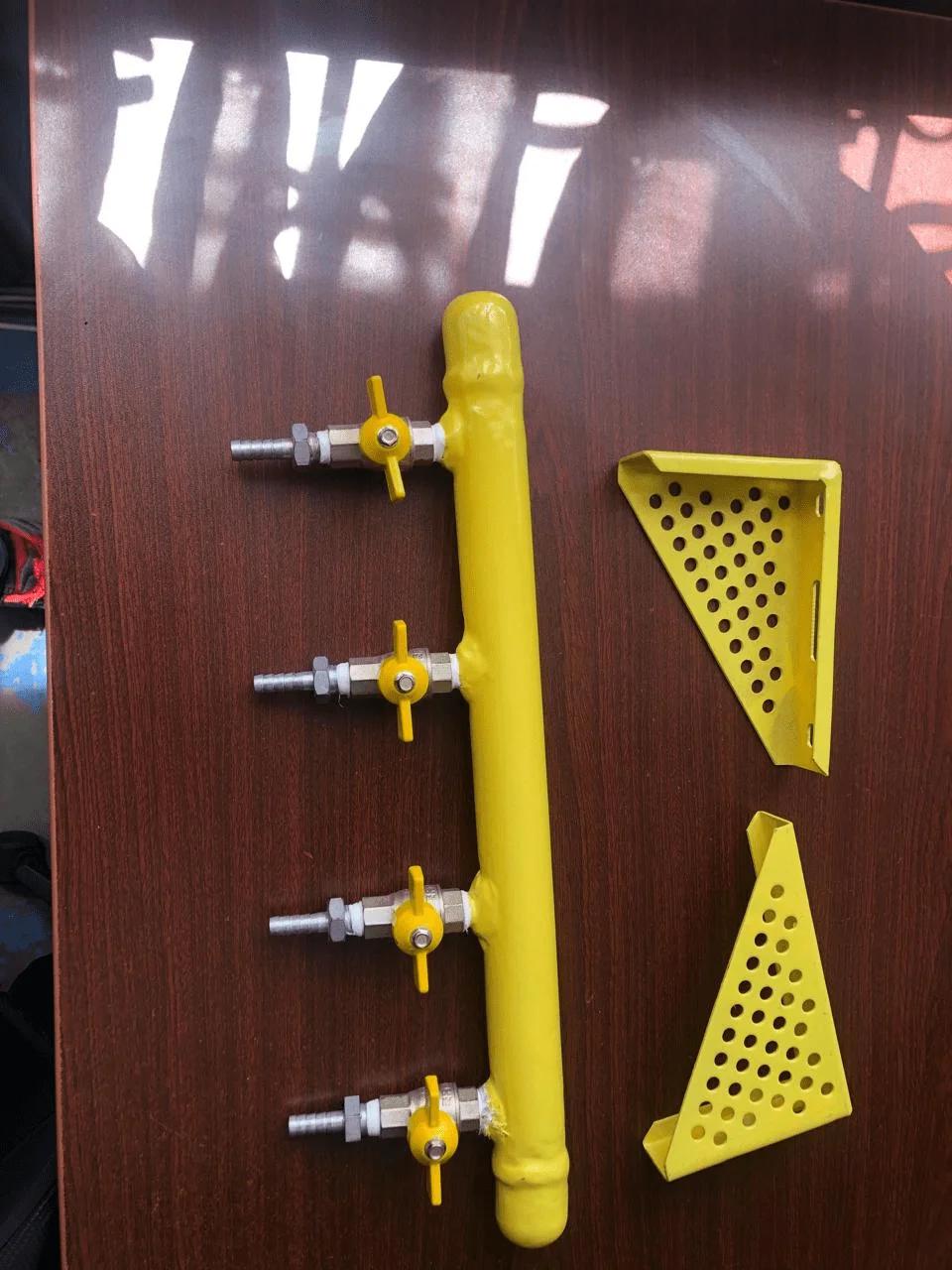
Distributes gas to multiple lines while allowing individual branches to be isolated safely.
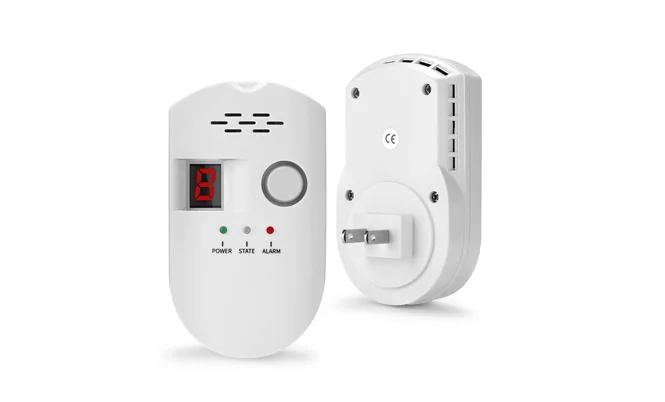
Monitors the surrounding air and raises an alert when gas is detected.
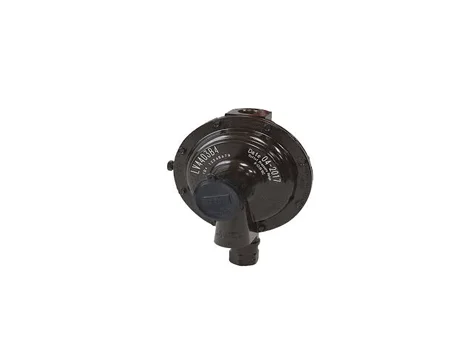
Reduces and stabilises LPG pressure before gas enters the downstream system.

Secure gas pipework in position to maintain safe support and alignment.
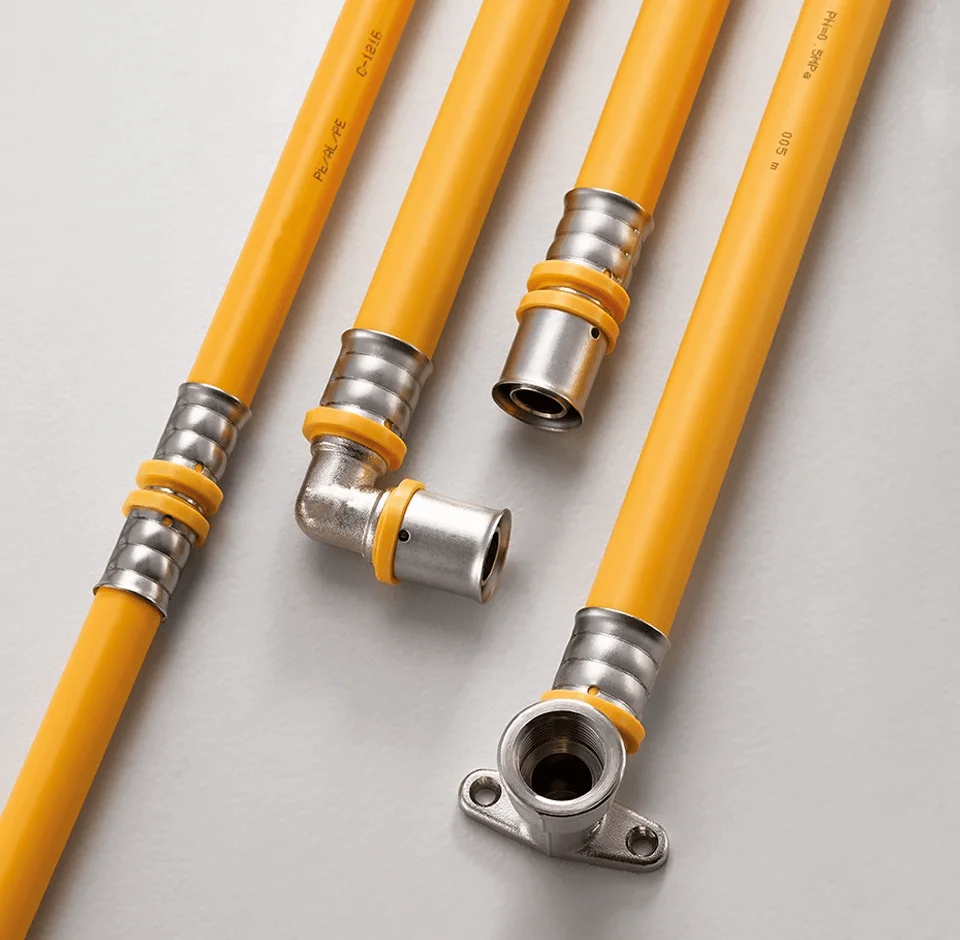
Carry gas through the installation and form secure changes in direction and connections.
Delivery approach
We treat accessories as connected parts of the gas system, not as isolated products added without context.
01-04 / SERVICE PATH
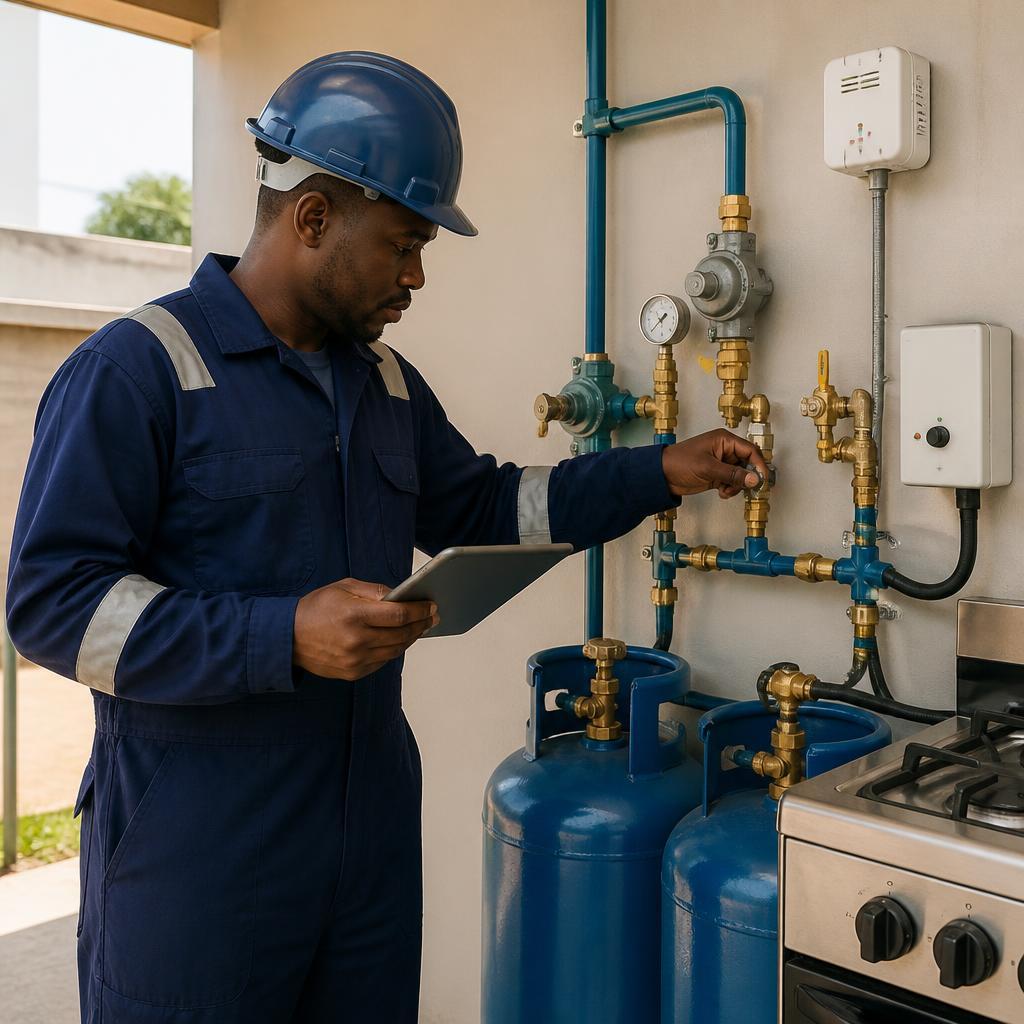
Inspect
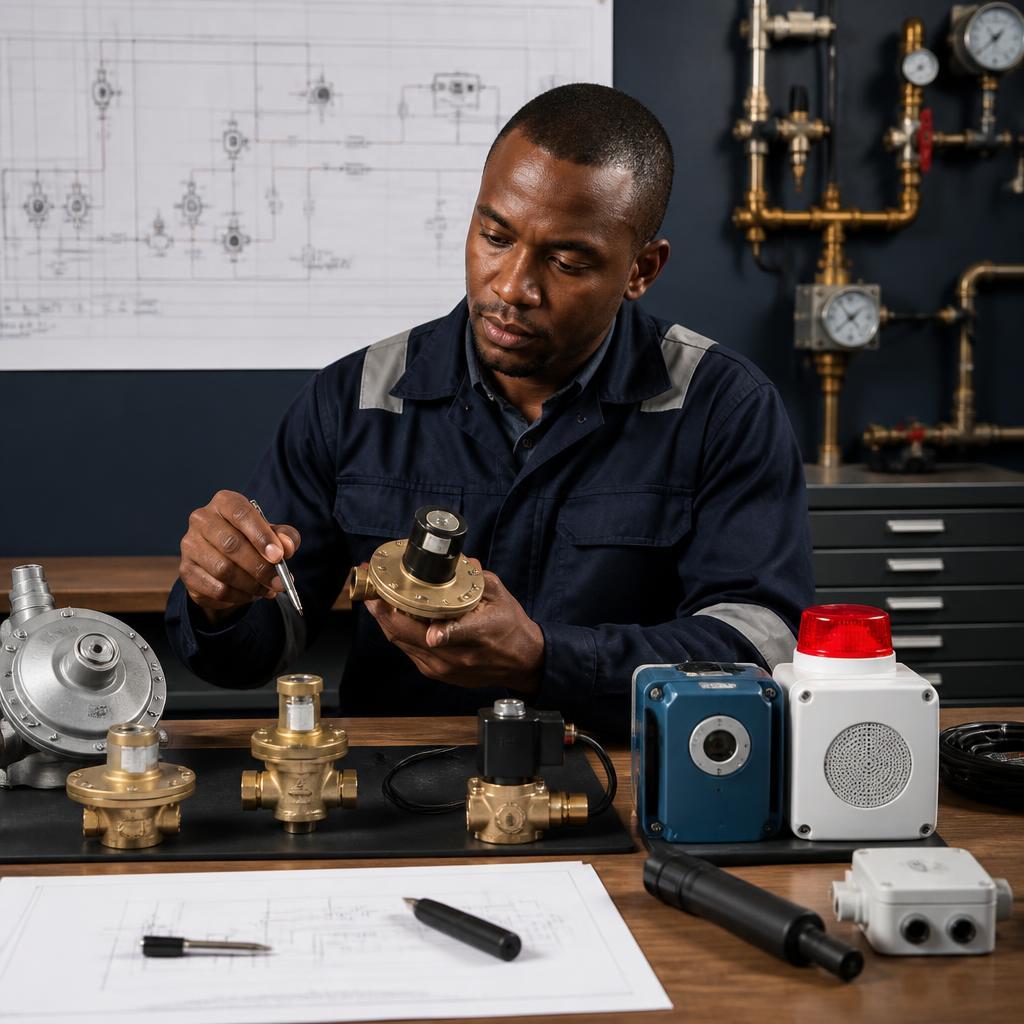
We identify the gas source, operating arrangement, existing controls, connected appliances, and current concerns.
Select
Components are considered against the installation, intended function, manufacturer guidance, and applicable requirements.
Integrate
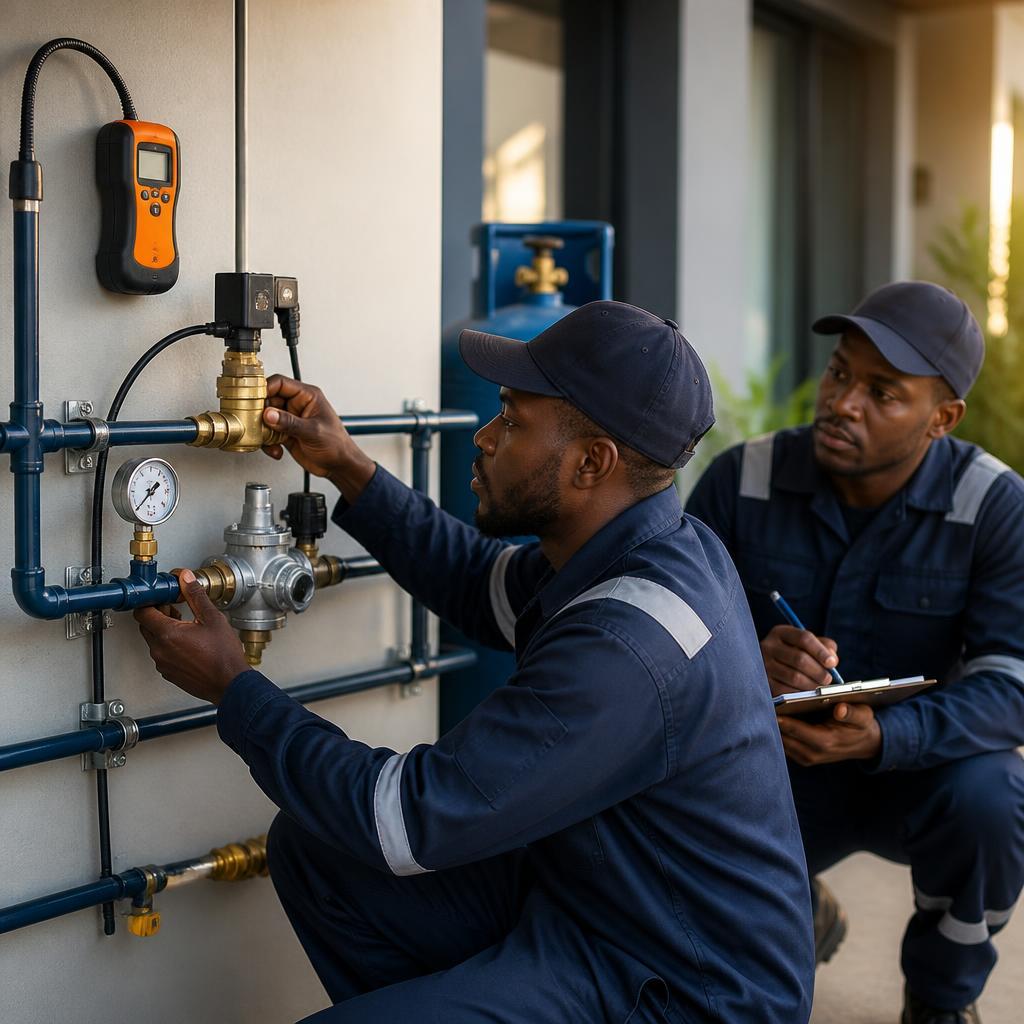
Equipment is positioned and connected in relation to the wider pipework, controls, access, and operating responsibilities.

Explain
The agreed functions are checked and the responsible team is shown how to identify, operate, and report concerns.
Where it fits
The scope changes with the property, operating environment, and decisions each client needs to make.
You get LPG supply coordination, storage and reticulation planning, kitchen gas piping, safety controls, fireplace installation, and a documented handover shaped around daily use.
You get dependable LPG supply planning, commercial kitchen piping, practical safety controls, clear operating guidance, and ongoing support designed around a busy hospitality environment.
You get dedicated kitchen or laboratory gas lines, coordinated isolation and safety equipment, documented testing, and a system your operations team can manage confidently.
You get planned inspections, accountable servicing, current system records, and one reliable point of contact when the property needs technical support.
Usually considered
Not every component is required on every system. Selection begins with the installation and the risk it needs to manage.
Gas source and operating pressure
Connected appliances and occupancy
Existing valves, regulators, and controls
Detector and alarm locations
Access for isolation and servicing
Handover records and operating responsibility
Connected services
Gas supply, infrastructure, safety equipment, specialist piping, and aftercare work best when their interfaces are considered early.
Discuss your requirement
Tell us whether the installation is new or existing, the property type, and the equipment or concern you need assessed.


