
Fireplace planning / 5 min read
How to choose a fireplace for a Kenyan home: gas, electric, or wood-burning?
The best fireplace begins with the room, the available services, and the experience you want-not with a catalogue image.
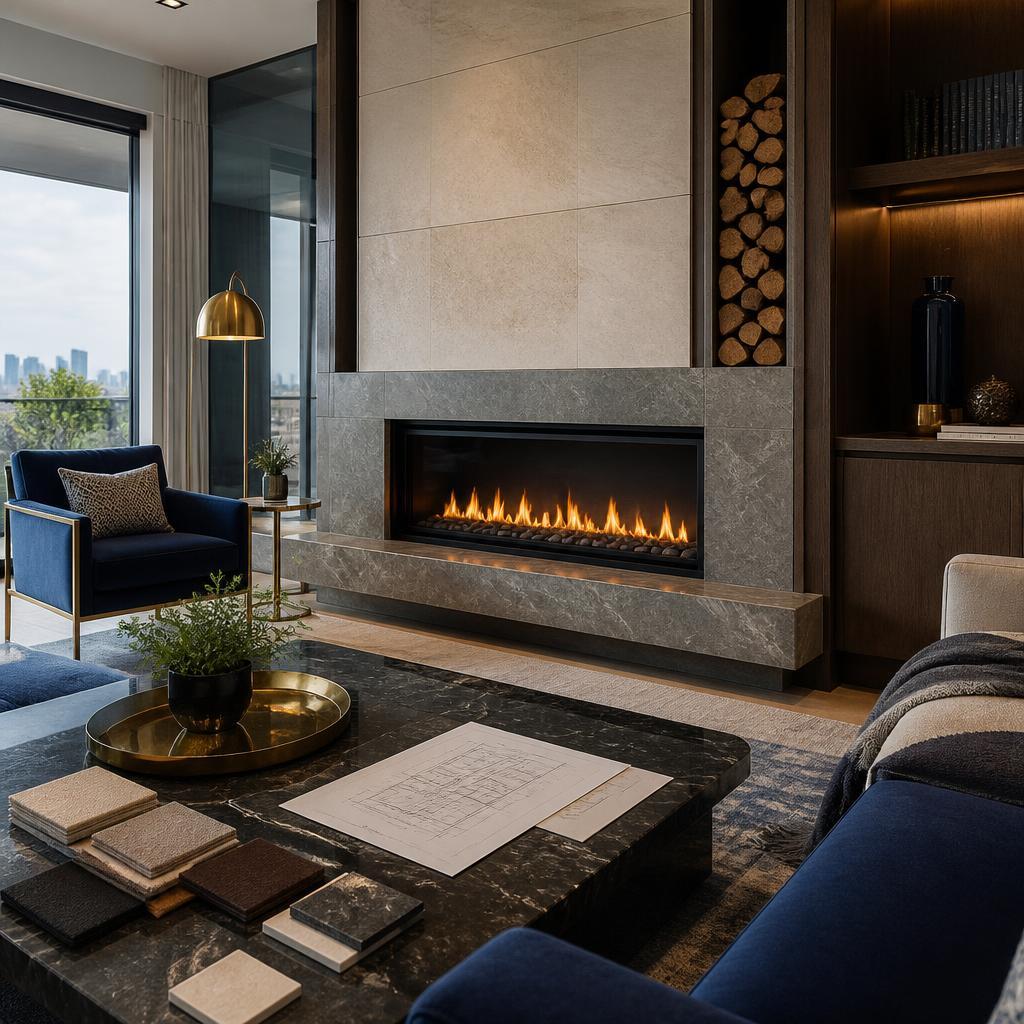
The best fireplace begins with the room, the available services, and the experience you want-not with a catalogue image.
Quick decision guide
Choose the fireplace that fits the room - and the building.
Start with the experience you want, then check whether the property can support the required services, ventilation, clearances, and maintenance.
Option 01
Gas
You want a real flame effect, controllable heat, and a permanent built-in feature.
Gas piping, combustion air or ventilation, suitable venting, and professional commissioning.
It needs early coordination with the building services and a competent gas installer.
Option 02
Electric
You want a flexible visual feature for an apartment, media wall, or room without a gas route.
Electrical capacity, controls, clearances, and the manufacturer’s installation instructions.
The flame and heat experience is different from a fuel-burning fire, and a grid outage can leave you without the fireplace’s heat unless you have a generator or another backup source.
Option 03
Wood-burning
You want a traditional fire and the property can support a properly designed chimney.
A chimney or vent, safe clearances, dry seasoned wood, ash handling, and regular inspection.
It has the highest ongoing maintenance and fuel-management commitment.
Quick rule: choose gas for a coordinated real-flame installation, electric when flexibility matters most, and wood only when the chimney, fuel, clearances, and maintenance plan are all realistic.
Article
Begin with the room
Gas, electric, and wood-burning fireplaces can all create a strong focal point, but they ask different things of the building. Room dimensions, intended heat output, ventilation, fuel access, electrical supply, and the surrounding finishes should shape the decision.1, 2, 6
This is why the right fireplace starts with the home rather than a product photograph. A unit that looks convincing in one setting may be impractical, visually unbalanced, or difficult to maintain in another; the flue, chimney, clearances, and servicing access need to work with the room, not just the elevation.5, 6
Gas and electric suit different priorities
Gas fireplaces suit homeowners who want a flame effect, controllable heat, and a clean built-in finish. They require correctly designed gas piping, combustion air or ventilation, appropriate venting where applicable, and commissioning by a competent person.1, 2
Electric fireplaces are often flexible for apartments, media walls, and rooms where a gas connection or combustion flue is not practical. Electric resistance heating converts incoming electrical energy into heat rather than burning fuel on site, so the installation question shifts toward electrical capacity, controls, clearances, and the manufacturer’s instructions.3, 4 Installation can be simpler, but the visual effect and heat experience differ from a fuel-burning fire.
Wood brings atmosphere-and responsibility
Wood-burning fireplaces offer a traditional atmosphere and can deliver substantial heat, but solid-fuel appliances depend on a suitable chimney or vent, safe clearances from combustible materials, and correct installation.5, 6
They also require dry, seasoned wood, ash management, and regular inspection and cleaning. EPA guidance recommends dry seasoned wood and professional annual inspection of wood-burning appliances, chimneys, and vents.5
Before choosing any format, review the room, services, finishes, and maintenance expectations with an experienced installer. For a Kenyan project, treat the international standards below as technical references, then confirm the applicable Kenyan approvals and licensed installer requirements before work begins.1, 2, 6 A correctly specified fireplace should look intentional on the first day and remain safe long after the first fire has been lit.
References
Sources and further reading
- Health and Safety Executive (HSE), United Kingdom. Gas appliances: Get them checked. Keep them safe (INDG238) (2024). View source
- National Fire Protection Association. NFPA 54, National Fuel Gas Code (2024). View source
- U.S. Department of Energy. Combustion Equipment Safety (2004). View source
- U.S. Department of Energy. Electric Resistance Heating (2024). View source
- U.S. Environmental Protection Agency. Wood-Burning Installation and Maintenance (2025). View source
- National Fire Protection Association. NFPA 211, Standard for Chimneys, Fireplaces, Vents, and Solid Fuel-Burning Appliances (2027). View source